

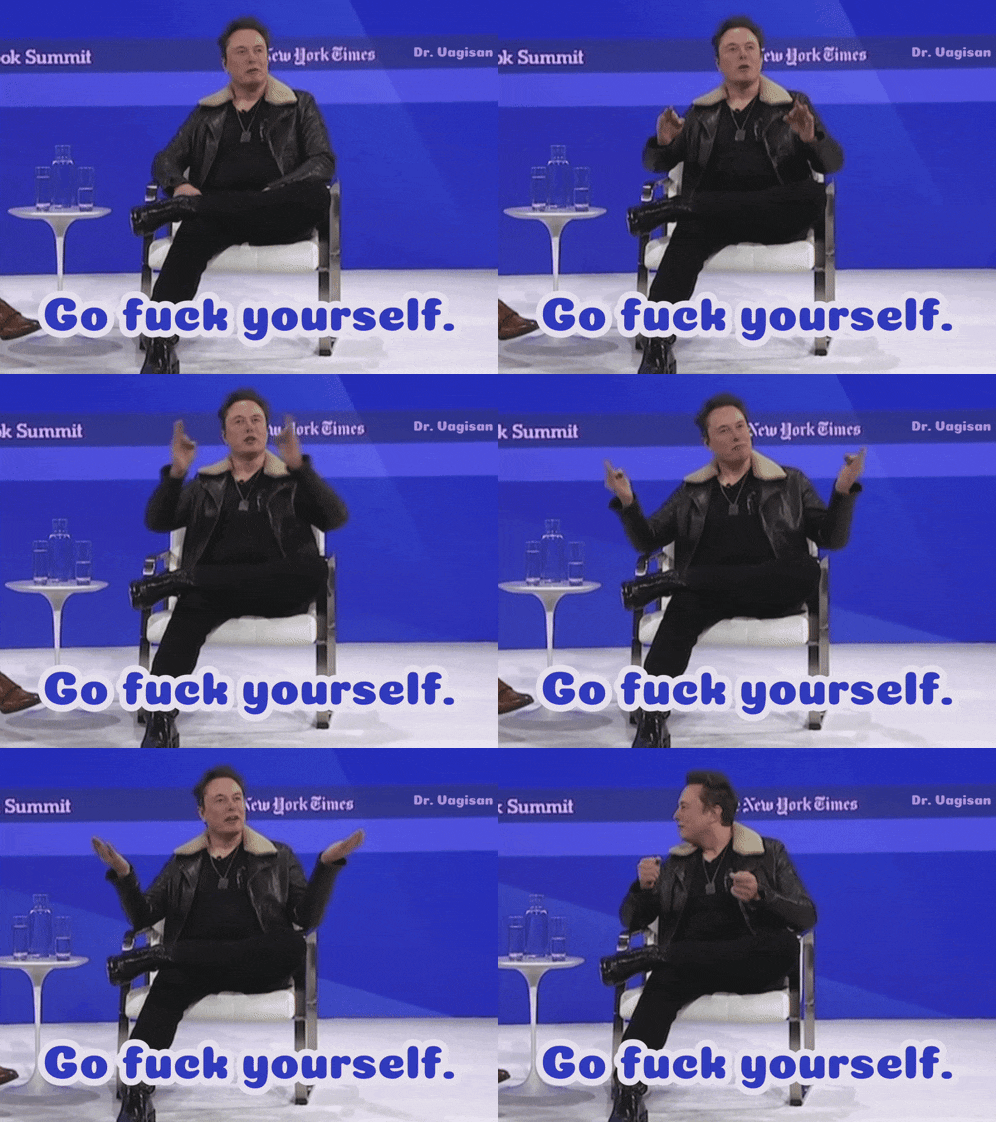
When I was younger, I used to idolize VC because from the outside it’s quite glamorous. After my first company that idolization turned into resentment because of how much influence that had over me as an entrepreneur. I took me a while to forgive and move on from that and I think outwardly I had a persona that was outwardly abrasive towards VCs. It sort of looked like this, for which I want to apologize to all of the great VCs out there:
I thought it was worth correcting the record on how I view VC (generally) and clarify how I think about working with VCs for entrepreneurs.
Incentives Incentives Incentives
It’s worth understanding about the VC industry that the outward appearance and interpersonal behavior is all driven by the incentives of the business. The way VC works is that a small percentage of deals (<1%) will drive the majority of returns (90%+) which play out over the timeline of decades. Ultimately VCs are financiers who are playing with others money, and the only way to survive in their business is to win at this game.
In order of priorities, VCs want the following:
Get into the best deals
Get the best price
Help companies (a bit) to maintain their reputation in order to repeat
This is true regardless of the VC. It’s just the game. A lot of VCs will lie to themselves about this, but no one can escape gravity. Notably, this list is that helping companies succeed comes last, and that’s OK! That’s the business. The first, and most important, bullet is why you see a VCs outward behavior which was the source of my former resentment:
Most VCs care about winning the popularity contest
Social media
Podcasts
Sounding smart (“contrarian“)
Selectively celebrating wins
Hiring expensive PR firms
Generally being fashionable / looking hot / self promotional
When interacting during fundraising their behavior often changes from chase to be chased, they play hard to get and will cut at your insecurity on purpose, ghost etc — they want you to want them on your cap table
While they provide a commodity (money), they will sell their brand and network as “value add“ for recruiting, sales and more - they will all use this to get a better deal (the second bullet)
When everyone wants in (consensus deal) they all pile on to no end suffocating founding teams
Then, a select few long-term players will help their companies through thick or thin
I’ve talked too much about the first two bullets. It’s pretty obvious how this behavior is gross, the incentive structure is backward for actually building good companies — this behavior harms entrepreneurs and their companies. This is where my sentiment of “VCs suck“ came from, but this framing is overall wrong because it was too generalized in how I’ve talked about it in the past. The truth is nuanced.
Company Builder VCs — The Good Ones
The best VCs are both good at playing the game and good at building companies. I wanted to talk about the good VCs, the ones that understand the pain that entrepreneurs go through to build companies, relationships, and see their businesses as multi-decade endeavors. Most often these people have built companies before, they tend to stick with companies through depths of despair. These people often from the outside look like the status seeking ones, because their time is limited, they still need to play the first game (this is the most important for their survival) but they also play a different game as a coach and mentor as you build your company.
Fundamentally company builders are masters at building relationships with entrepreneurs, coaching, and walking through the fears that inevitably come up while building a company without reacting to help guide and grow companies at the highest level.
Ultimately companies are a series of decisions that need to get made to build a product, team, and business. The most valuable people on a cap table are the people who can contribute to that decisions making in a high-quality, productive way and quickly. Most often, these people are former entrepreneurs. The time they contribute and have contributed to my companies has been a gift and I’m forever grateful for the investors like this that I’ve had a privilege of having on board various ventures. I wish I could make a list, but for anyone who’s been on a cap table of mine I need to address why someone might not be on the list which I don’t want to do ;) because the industry is so reputation focused.
How to Find Company Builders
The hard part about finding company builders is that there isn’t one qualification that makes people this way. A lot of them are former founders (common) but a good number are seasoned board members or other operators. I think I could generalize a shape of it, but that would ultimately leave people out. This post is about explaining the nuance.
Just like election forecasts are more accurate when statisticians poll people about who their neighbors are voting for, it’s better to get signal on a VC from people who have worked with them (and more importantly have had a sample variety of outcomes) rather than other VCs or the world at large. If I had to give entrepreneurs any piece of advice from this post it would be: reference and reference again. This is especially true at the final stages of a deal before you sign. Signing an investor is sort of like a marriage in the length of time you plan on working with them and in some ways worse because, technically, you can fire a spouse (divorce) but you cannot fire an investor (or it’s much harder).
Conclusion
I’m hoping this post can set some of the record straight for how I view this industry. Ultimately there are no good or bad people, but often times there are good people and stupid people which can often be confused for “bad“. I don’t think I fault anyone in the VC industry for doing their job - it’s the game not the players that are broken and I try to see the best in everyone. Ultimately it’s a good thing that new, risky ventures can get funded. This is how the world grows and improves. I’m also hoping this post can serve as a guide when entrepreneurs ask me to help them understand VCs. They’re just people, like we are, and their incentives describe their behavior as much as entrepreneurs incentives describe the average entrepreneurial behavior which is for another post :) .